
Weight loss surgery methods
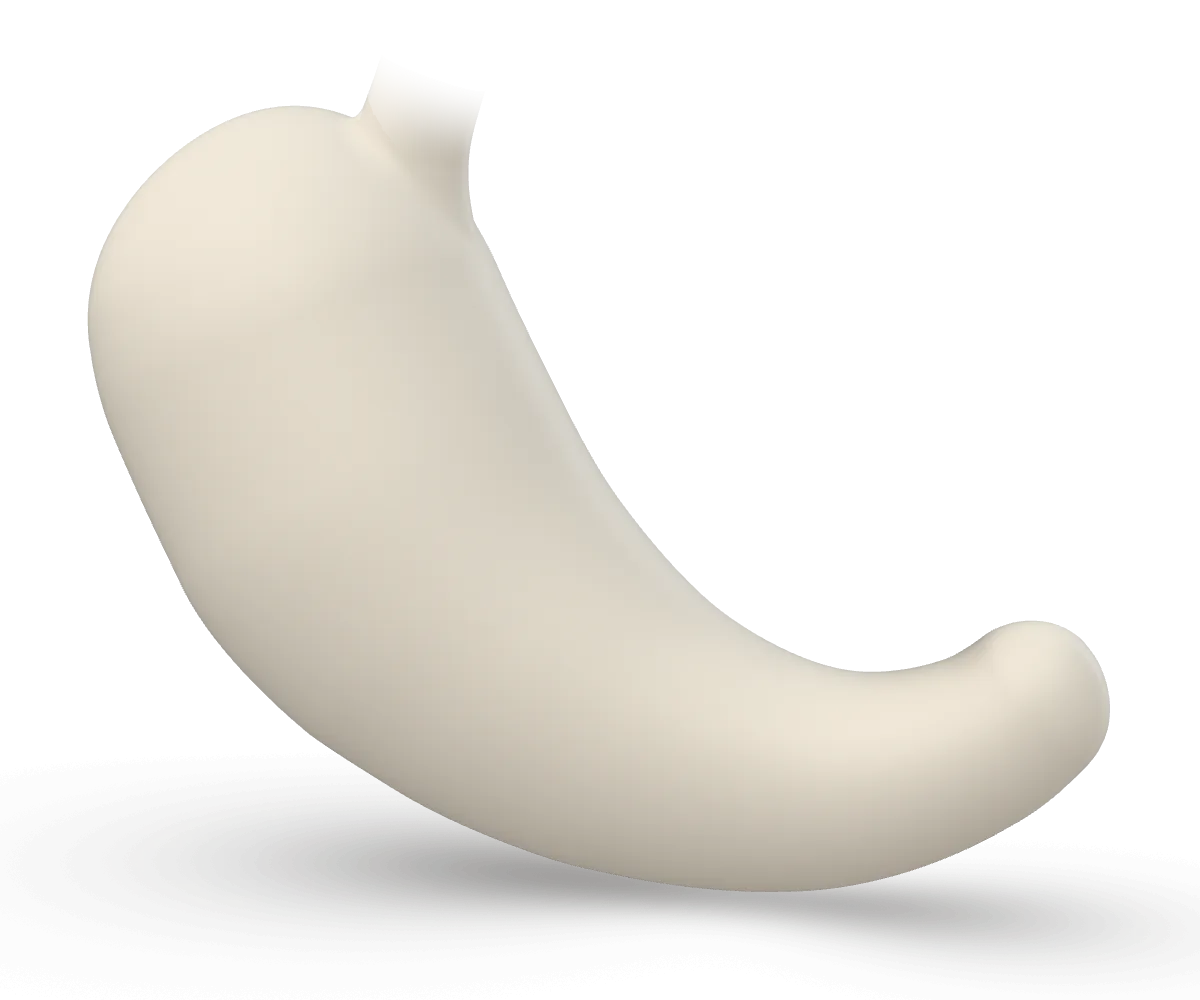
Sleeve
About 80% of the stomach is removed.Source: ASMBS
You usually stay 3 nights in hospital.Source: Dr. Ömer Söylemez
On average, 72% of excess weight is lost by the end of the first year.Source: Peterli et al., 2013
The operation is permanent; the removed part of the stomach cannot be put back.
Bypass
The stomach is not removed; a pouch the size of an egg is joined to the small intestine.Source: ASMBS
On average, 77% of excess weight is lost by the end of the first year.Source: Peterli et al., 2013
Reflux improves in most patients.Source: Peterli et al., 2018
You need lifelong vitamin supplements and a blood test at least once a year.Source: Mechanick et al., 2020
Balloon
The balloon is not an operation; it is placed by endoscopy or swallowed as a capsule.Source: Ienca et al., 2020
The balloon stays in the stomach for 4-6 months; then it is removed or empties by itself.
When the balloon is removed, on average 35% of excess weight has been lost.Source: Singh et al., 2020
Its effect is temporary; some of the weight comes back once the balloon is out.Source: Courcoulas et al., 2017
The treatment process
Sleeve
Consultation
Height, weight and waist circumference are measured; your weight history and other illnesses are discussed.
Tests
Blood tests, an endoscopy and, if needed, an ultrasound.
Assessments
Cardiology, endocrinology, chest medicine, psychiatry and anaesthesia; your eating plan is made with a dietitian.
Operation
Keyhole (laparoscopic) surgery under general anaesthetic; most of the stomach is removed along its long edge.
3 nights in hospital
You start walking on the day of surgery and go home on day 4.
Lifelong follow-up
Vitamins, blood tests and regular check-ups.
Bypass
Consultation
Height, weight and waist circumference are measured; your weight history and other illnesses are discussed.
Tests
Blood tests, an endoscopy and, if needed, an ultrasound.
Assessments
Cardiology, endocrinology, chest medicine, psychiatry and anaesthesia; your eating plan is made with a dietitian.
Operation
Keyhole surgery under general anaesthetic; a small stomach pouch is joined to the small intestine.
1-3 days in hospital
How long you stay depends on how you recover. (Welbourn et al., 2019)
Lifelong follow-up
A multivitamin, calcium, vitamin D, iron and B12 every day; a blood test at least once a year.
Balloon
Consultation
Whether a balloon suits you is assessed.
Endoscopy
If needed, the stomach is examined by endoscopy.
Placement
By endoscopy under light sedation, or swallowed as a capsule.
First days
Nausea, vomiting and abdominal pain are common; you eat mostly liquids. (Courcoulas et al., 2017)
Balloon in place
Dietitian follow-up for 4-6 months.
Removal
The balloon is removed by endoscopy, or empties by itself and passes out of the body; follow-up continues.
Eating stages
Timings vary from person to person and are planned with your dietitian.
Source: Mechanick et al., 2020
Source: Mechanick et al., 2020
Sleeve
Clear liquids
First 1-2 days
Sugar-free clear liquids.
Liquid foods
About 2 weeks
Liquid foods and protein drinks.
Puree
About 2 weeks
Pureed foods.
Normal food
Within 6-8 weeks
Normal-textured meals after soft foods.
Bypass
Clear liquids
First 1-2 days
Sugar-free clear liquids.
Liquid foods
About 2 weeks
Liquid foods and protein drinks.
Puree
About 2 weeks
Pureed foods.
Normal food
Within 6-8 weeks
Normal-textured meals after soft foods.
Balloon
First days
The days after placement
Liquids and soft foods; you move on as the nausea passes.
Balloon in place
4-6 months
A plan of small portions and regular meals with your dietitian.
After the balloon
After removal
You keep up the eating habits you have built; follow-up continues.
Sugary foods and drinks are limited because they cause dumping.
Body mass index (BMI)
BMI
Obesity class 2
- Underweightbelow 18.5
- Normal weight18.5-24.9
- Overweight25-29.9
- Obesity class 130-34.9
- Obesity class 235-39.9
- Obesity class 340 and above
The decision about surgery is made at the examination, based on your weight and any related conditions.
Procedures
Obesity and metabolic surgery
- Weight loss surgery (bariatric surgery)Who it is for, the options, and the path from first visit to lifelong follow-up.
- Gastric sleeve surgery (sleeve gastrectomy)About 80% of the stomach is removed by keyhole surgery.
- Gastric bypass and mini gastric bypass surgeryA small stomach pouch joined to the small intestine.
Contact
Liv Hospital Gaziantep
Seyrantepe, Abdulkadir Konukoğlu Cad. No: 1, 27080 Gaziantep
Open in Maps